Finding your skin undertone is simpler than it sounds: check the color of your veins, compare gold and silver jewelry, and look at your skin in daylight. Undertone is the base color beneath the surface of your skin, and it can be warm, cool or neutral. Unlike skin tone (light, tan, deep), undertone does not change when your skin tans.
Knowing your undertone makes every beauty decision easier: foundation shade, lipstick, blush, hair color and clothing. Below we explain four tests you can do at home, the signs of each undertone, and a real analysis from Kira.
Undertone vs skin tone: what is the difference?
Skin tone is how light or deep your skin is. Undertone is the hue behind it. Two people with the same tan skin can have different undertones: one looks golden (warm), the other looks pinker or bluer (cool). That is why advice such as “lipstick for tan skin” works better when it is matched to undertone.
4 ways to check your undertone at home
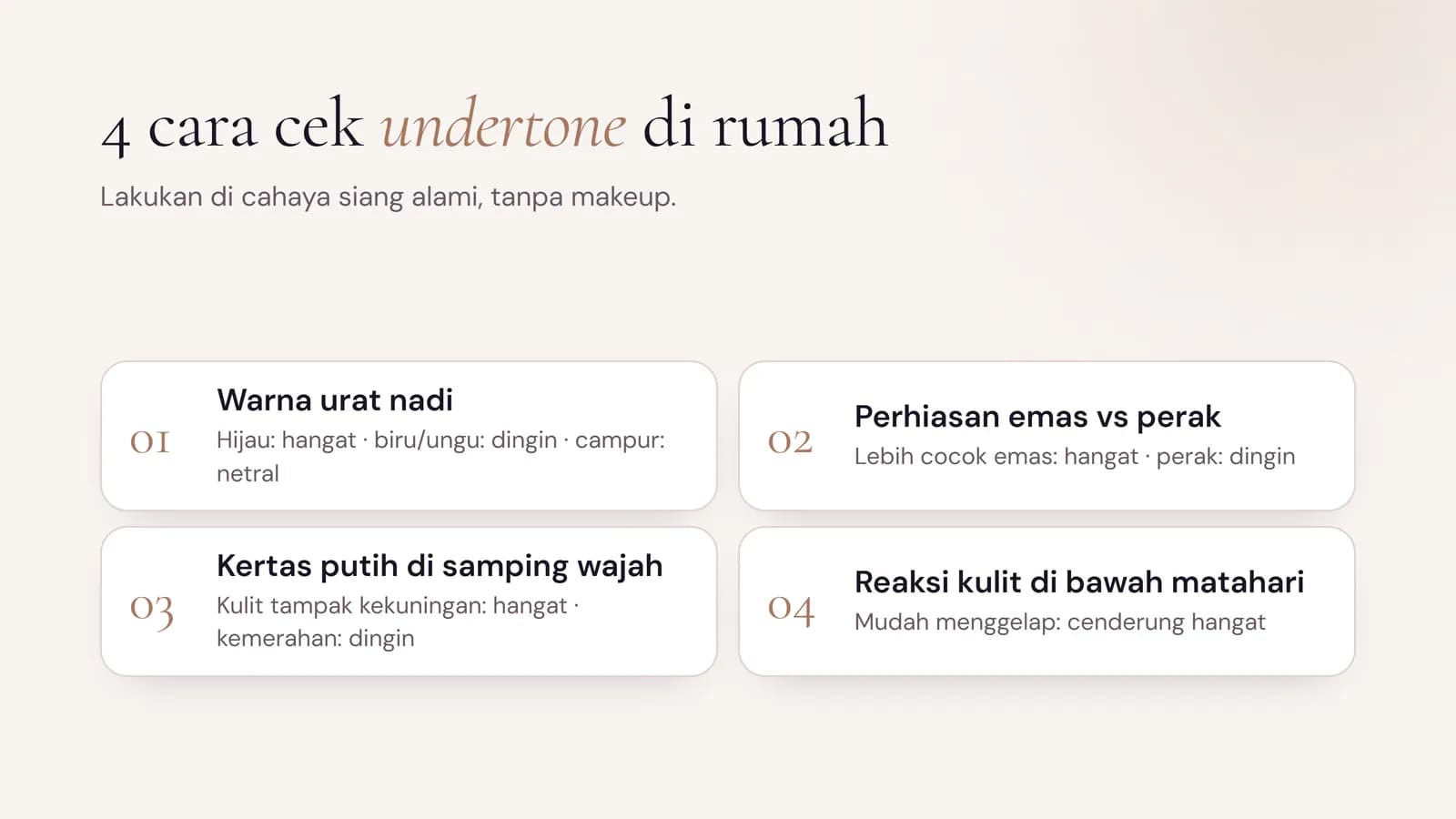
- Look at the veins on your wrist. Greenish veins usually mean a warm undertone, blue or purple veins mean cool, and a mix of both suggests neutral.
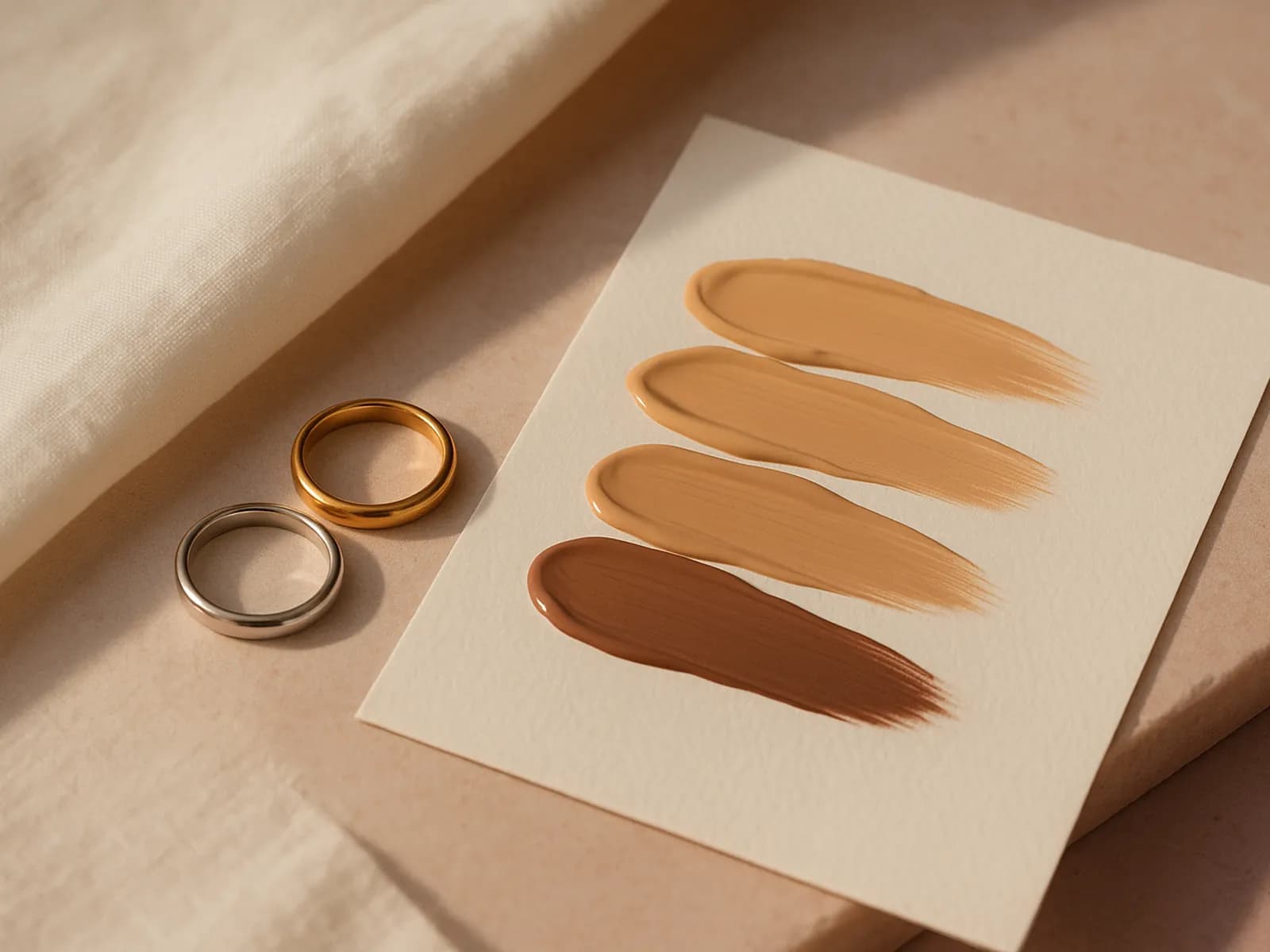
- Compare gold and silver jewelry. If gold makes your skin look fresher, you are likely warm. If silver suits you better, you are likely cool.
- Hold white paper next to your face. Skin that looks yellow or golden next to the paper leans warm, while skin that looks pink or rosy leans cool.
- Think about how you react to the sun. Skin that tans easily often has a warm undertone, while skin that burns and turns red leans cool.
Do every test in natural daylight, without makeup or camera filters. Yellow or bluish indoor light can give misleading results.
Signs of warm, cool and neutral undertones
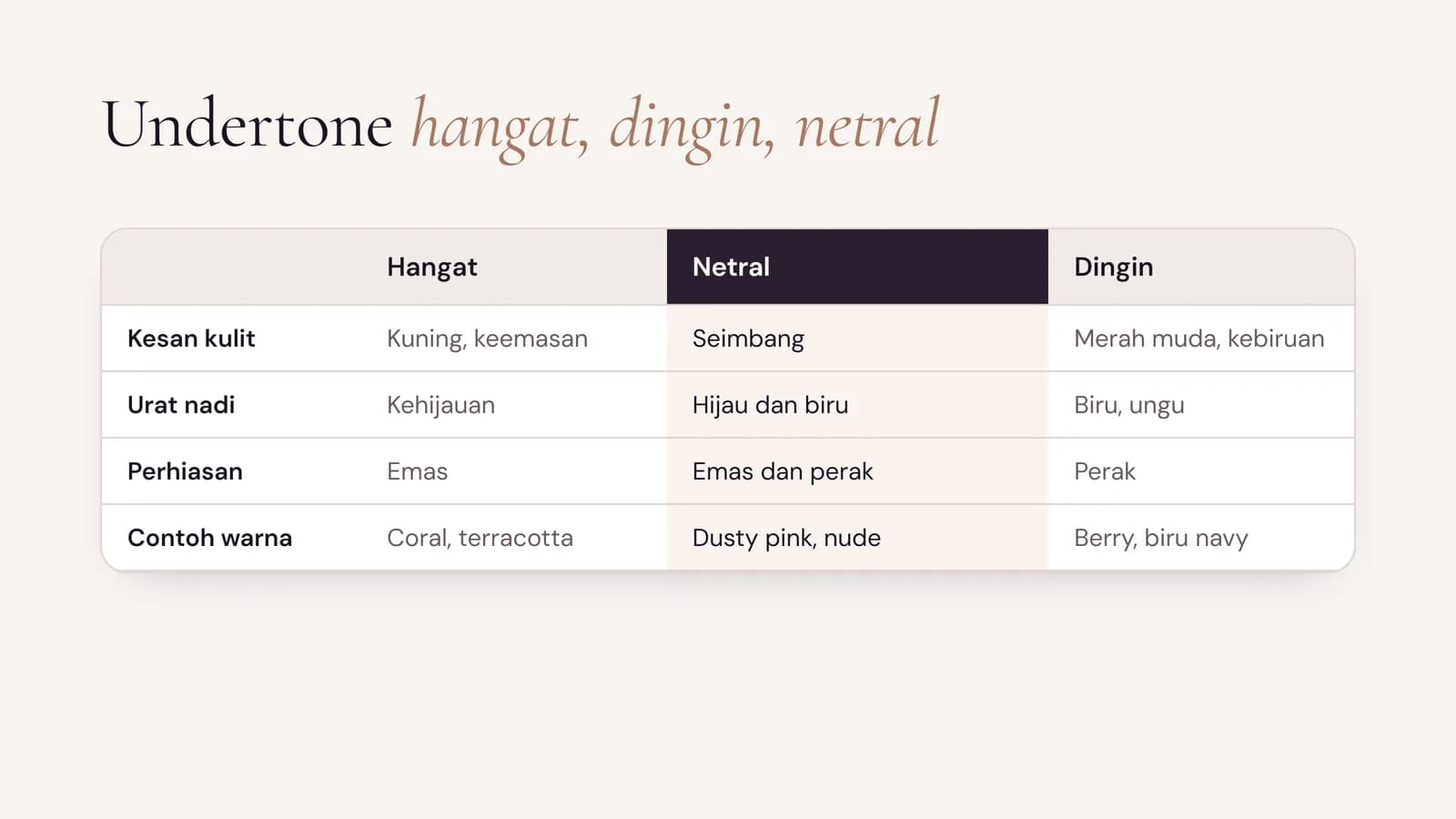
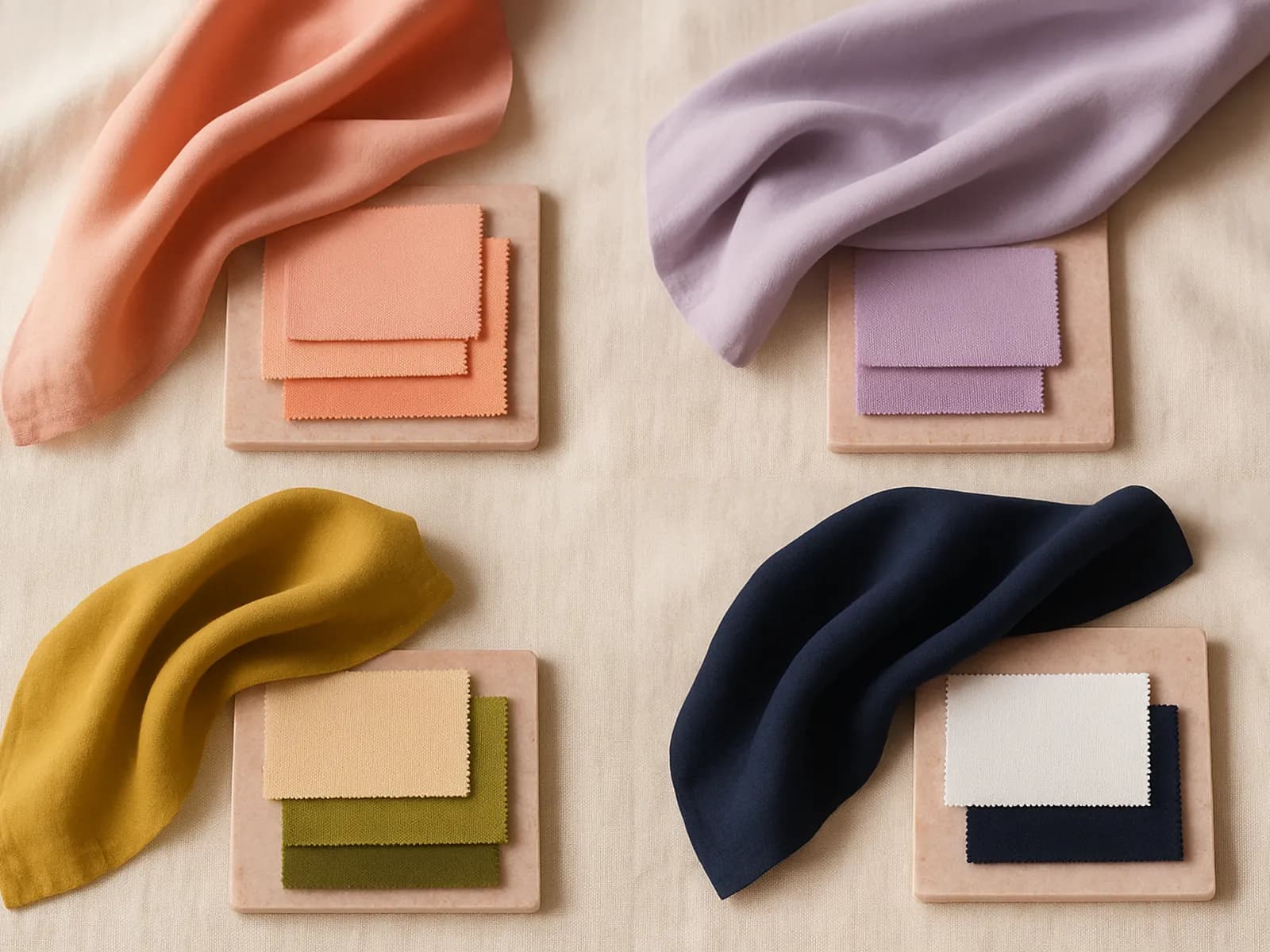
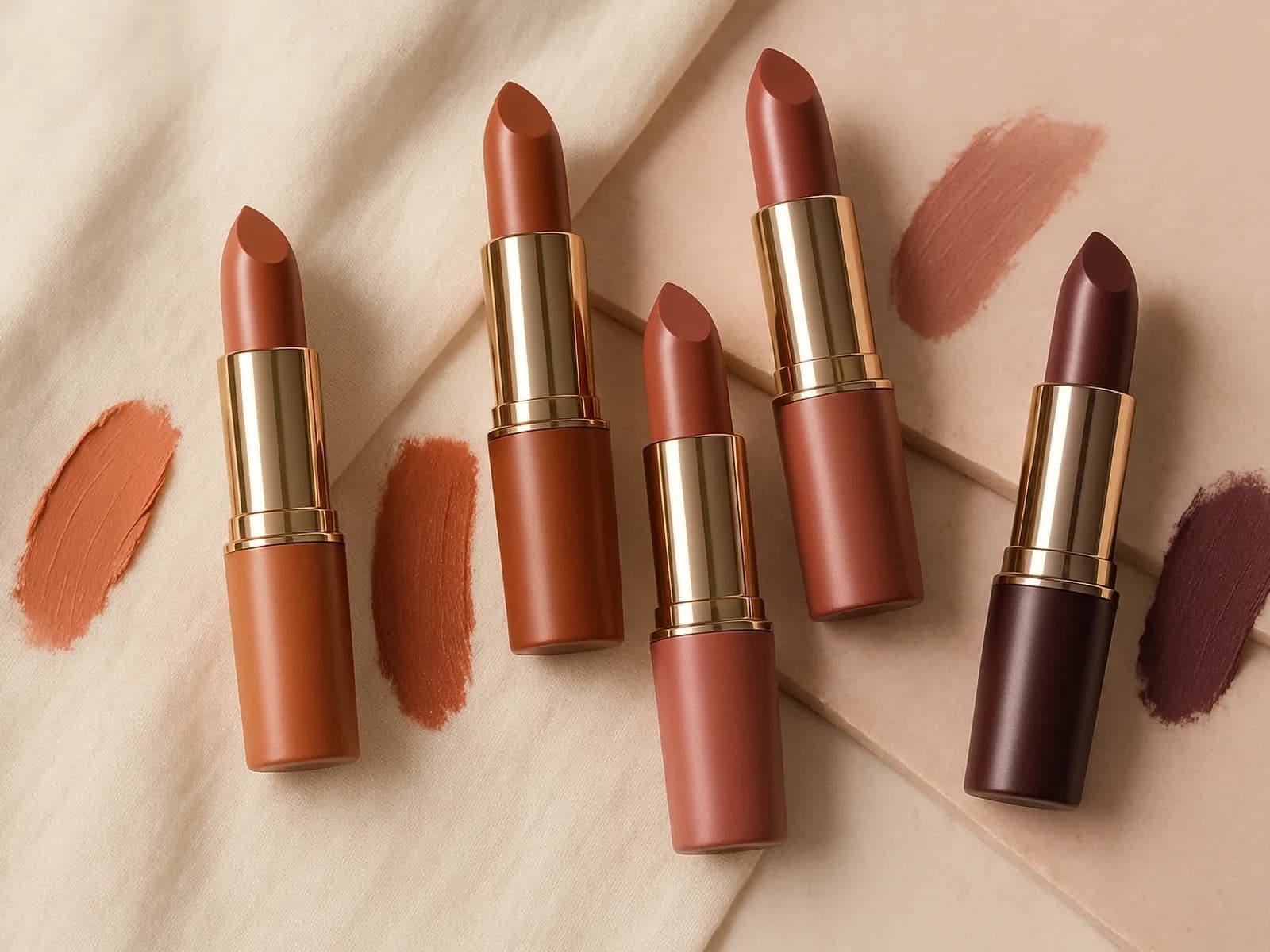
- Warm: skin looks yellow or golden, and suits coral, peach, terracotta, olive and gold jewelry.
- Cool: skin looks pink or bluish, and suits berry, blue-based red, navy, emerald and silver jewelry.
- Neutral: a mix of both, so the color range is widest, such as dusty pink, mauve, nude and teal.
Example: foundation shades from Kira’s analysis
Undertone matters most when choosing a foundation or cushion shade. Shade codes often use W (warm), N (neutral) and C (cool). Here is Kira’s real reply when asked which cushion shade fits, with previews on the photo:
Why home tests can be confusing
Many people have neutral or warm-neutral undertones, so the vein test often shows a mix. Lighting, redness or makeup can also affect the result. If the four tests disagree, treat yourself as neutral and test colors directly: swatch two foundation shades on your jaw and pick the one that disappears most naturally.
Once you know your undertone, the next step is your personal color season. Read our guide to personal color analysis, or apply it to lipstick for tan skin.
Check your undertone from a selfie with Kira
For a faster route, send a selfie to Kira on WhatsApp and ask about your undertone. Kira reads your skin, eyes and hair from the photo, then recommends colors with previews on your face. The free plan includes 5 consultations and 1 image preview every day. See more examples from Kira on the homepage.
Frequently asked questions
How can I find my skin undertone quickly?
Look at the veins on your wrist in daylight. Green usually means a warm undertone, blue or purple means cool, and a mix means neutral. You can be more confident when you combine it with the gold versus silver jewelry test and the white paper test.
What is the difference between undertone and skin tone?
Skin tone is how light or deep your skin is. Undertone is the hue beneath the surface of the skin: warm, cool or neutral. Skin tone can change with sun exposure, while undertone stays the same.
What undertone does tan skin usually have?
Tan skin can be warm, neutral or cool, so you cannot tell from skin tone alone. Many people with tan skin are warm or neutral, but the vein, jewelry and white paper tests will tell you for sure.
Why does undertone matter for foundation?
A foundation with the wrong undertone can look gray, too yellow or too pink on the skin, even if the depth is right. Shade codes such as W, N and C help you match undertone, then a swatch on the jaw shows which shade blends best.
- Undertone
- Warna
- Makeup
- Personal color