Knowing how to get rid of acne is not always about finding a new product. According to dermatologists at the American Academy of Dermatology (AAD), many people who treat their acne faithfully still see breakouts because everyday habits make it worse. Changing those habits matters as much as choosing the right product.
This article covers how to care for acne-prone skin, the habits to stop, how long results take, and a real analysis from Kira.
How to care for acne-prone skin

- Wash gently, up to twice a day and after sweating. Use a gentle, non-abrasive, non-comedogenic cleanser. Apply it with your fingertips, since washcloths, sponges and other tools can irritate skin.
- Use non-comedogenic products. Choose makeup, sunscreen, skin care and hair care labeled “non-comedogenic” or “won’t clog pores”, because some products contain oil or ingredients that cause breakouts.
- Choose gentle, alcohol-free skin care. The AAD recommends avoiding products that can irritate skin, including astringents, toners and exfoliants, which can dry skin and make acne look worse.
- Shampoo regularly. Oil from your hair can cause acne on your forehead. If your hair is oily, shampoo more often and keep it away from your face.
- Wear sunscreen every day. Choose a broad-spectrum, water-resistant, non-comedogenic sunscreen with SPF 30 or higher. According to the AAD, tanning can worsen acne, and some acne medications make skin very sensitive to UV rays. See how to apply sunscreen correctly.
Habits that make acne worse
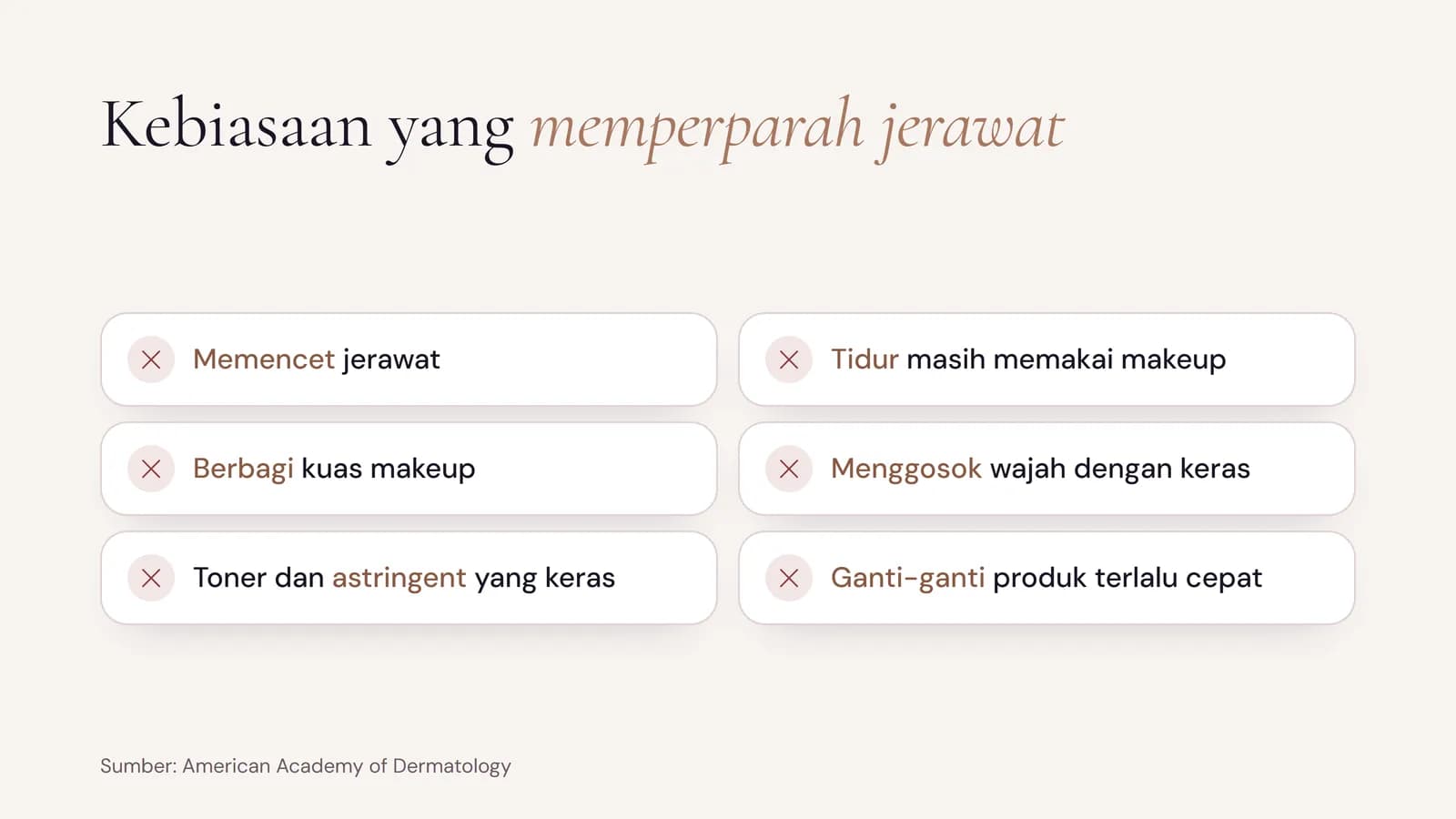
- Popping or squeezing pimples. It can push pus, dead skin cells or bacteria deeper into the skin, increasing inflammation and sometimes causing scarring and pain.
- Sleeping in makeup. Even non-comedogenic makeup can cause acne if you sleep in it. If you are too tired to wash, use a non-comedogenic makeup remover towelette.
- Sharing makeup or brushes. Bacteria, oil and dead skin cells from someone else’s skin can end up on yours and clog pores.
- Scrubbing your face. Apply cleanser lightly with your fingertips in a circular motion, rinse with warm water, and pat dry with a clean towel.
- Switching treatments too often. Trying new acne products too often can irritate your skin and cause breakouts.
How long does acne take to clear?
The AAD recommends using an acne treatment for 6 to 8 weeks, since it takes that long to see improvement. If nothing changes by then, try another product. Complete clearing generally takes 3 to 4 months.
Acne often comes with oily skin in the T-zone. To manage the oil, read skincare for oily skin. If dark marks are left behind, see how to fade dark spots.
A real acne analysis from Kira
Here is Kira’s real answer to the question “how do I deal with my acne and acne marks?”. Kira reads the skin from a selfie, then builds a routine with ingredients to look for and avoid.
Note: Kira suggests a witch hazel toner, while the AAD recommends avoiding astringents, toners and exfoliants during acne treatment because they can dry skin and make acne look worse. If your skin feels dry or stings, skip the toner. Kira’s other advice, such as a gentle cleanser, non-comedogenic moisturizer, sunscreen and not popping pimples, matches the AAD.
When to see a dermatologist
Many people can control acne with these steps and over-the-counter treatment. If you still see acne after giving these tips time to work, or your acne is deep or painful, the AAD recommends seeing a dermatologist. Some people need prescription-strength treatment.
Ask Kira about your acne
Send Kira a selfie in natural light on WhatsApp. Kira reads active breakouts and marks, then builds a morning and night routine with ingredients to look for and avoid. See the acne and marks example.
Frequently asked questions
How can I get rid of acne fast?
There is no safe instant fix. The AAD recommends washing gently up to twice a day, using non-comedogenic products, not popping pimples, and wearing sunscreen. Give a treatment 6 to 8 weeks to show improvement, since complete clearing generally takes 3 to 4 months.
Why won’t my acne go away even with skincare?
Everyday habits can make it worse, such as sleeping in makeup, sharing makeup brushes, scrubbing your face, using products that are not non-comedogenic, or switching products too often. The AAD also advises avoiding toners, astringents and exfoliants, which can irritate acne-prone skin.
Is it okay to pop pimples?
It is best not to. According to the AAD, popping can push pus, dead skin cells and bacteria deeper into the skin, increasing inflammation and sometimes causing scarring and pain. Treat acne with acne medication instead, and see a dermatologist for deep or painful acne.
When should I see a dermatologist for acne?
See a dermatologist if your acne does not improve after giving treatment 6 to 8 weeks, or if it is deep or painful. The AAD notes that some people need prescription-strength acne treatment to get clearer skin.
Sources
Facts in this article refer to the sources below.
- Skincare
- Jerawat
- Kulit berminyak
- Sunscreen